Analytical Briefing 'Sloviansk — Archymap': Energy Challenges and the City's Transformation as a Regional Hub
The analytical report focuses on the energy crisis threatening Sloviansk's industry and the city's growing role as a financial hub following bank closures in Kramatorsk. It examines the success of security measures and risks from rising logistics tariffs.
Energy and Industrial Resilience Under Pressure
The last 24 hours confirm a deepening energy crisis. Mass attacks on power generation and transmission facilities have led to emergency blackouts in eight regions, including the Donetsk region. This creates a critical burden on heavy industry, the state of which international experts already assess as threatening. For Sloviansk, the situation is further complicated by Ukrzaliznytsia's plans to increase freight tariffs. The combination of energy deficits and rising logistics costs forces local enterprises to choose between production cuts or a total shutdown.
Sloviansk as a Financial and Social Services Center
A notable trend is the shift of administrative and financial activity within the agglomeration. The closure of the last PrivatBank branch in Kramatorsk and the transfer of customer services to Sloviansk indicate the strengthening of the city's role as a rear service hub. Despite its frontline status, Sloviansk currently acts as a more stable location for providing basic services. At the same time, state initiatives like the 'Drinking Water' program through 2035 and expanded 'Diia.Card' features signal intentions for long-term recovery, though their implementation depends directly on the frontline situation.
Security Situation and Social Adaptation
An analysis of the tightened curfew in Sloviansk shows a positive correlation between strict restrictions and a decrease in civilian casualties. This underscores the effectiveness of administrative measures in high-risk zones. However, airstrikes on residential areas in the Donetsk region and tragic events in Odesa serve as reminders of the constant threat. A key internal factor is the reform of the Territorial Recruitment Centers (TCC) and Medical Commissions (VLC), which, according to authorities, has already reduced social tension regarding mobilization.
Forecast and Observation Factors
- Energy Supply: The pace of grid restoration in the Donetsk region will determine the city's ability to endure the winter without large-scale evacuation.
- Economic Pressure: Monitor the decision on railway tariffs — it is a survival marker for Sloviansk's industrial sector.
- Geopolitical Influence: Expectations from US-China negotiations regarding pressure on Russia may influence the intensity of infrastructure shelling in the medium term.
Read next
 🚨Events
Overnight Attack on Kharkiv: Russian Drone Hits Hospital, Residential Complex Targeted
Overnight into November 20, Russian forces launched a drone strike on Kharkiv, hitting a medical facility and a residential complex. Four people were injured at the hospi…
 🚨Events
Over 2,100 Russian Troops and Hundreds of Supply Vehicles Eliminated: General Staff Update
Ukrainian defense forces continue to inflict heavy attrition on invading troops along the front line, eliminating 2,150 personnel and hundreds of logistics vehicles withi…
 💡Tech
The mysterious triangle on Samsung screens: what this icon means
Samsung Galaxy owners often encounter an unexplained triangle icon in the status bar, which limits notification activity.
 🛡️Security
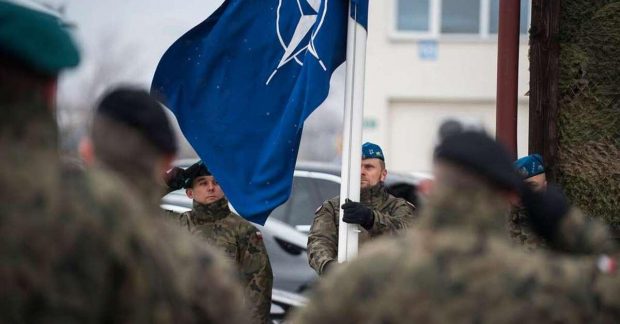
International partners prepare legally binding security guarantees for Ukraine
Leaders of key Western nations have agreed on support mechanisms for Ukraine, including legally binding security guarantees and air defense enhancements.
 🇺🇦Ukraine
Volodymyr Zelenskyy Outlines Key Security Guarantees for Ukraine
At the 'Coalition of the Willing' meeting in Berlin, the Ukrainian President emphasized that NATO membership and EU integration are vital for national security.
 🛡️Security
Ukraine to receive €90 billion from EU and new security guarantees: Berlin meeting outcomes
Western leaders and Ukraine have agreed on a massive package of financial and military aid through 2027, while discussing security mechanisms for the post-conflict period…