Industrial Threat: How Ukrzaliznytsia Tariff Hikes Impact Slavyansk Enterprises
A further increase in rail freight costs could be critical for Ukrainian manufacturers already struggling with logistical challenges.
 💼Economy
Photo: UNIAN
Key points
- The 30% tariff hike in August has already led to a decrease in freight volumes.
- A proposed additional 15% increase threatens to shut down industrial enterprises.
- Experts suggest funding passenger rail through the state budget rather than industrial levies.
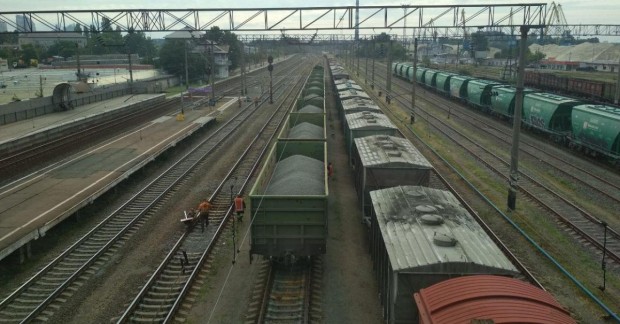
The Ukrainian industrial sector and the national carrier Ukrzaliznytsia have found themselves in a "perfect storm." The situation worsened following a 30% hike in freight tariffs in August, which coincided with the disruption of seaport operations due to attacks on foreign vessels. Volodymyr Husak, a representative of the Federation of Transport Employers of Ukraine, warns that these conditions have already led to a sharp decline in rail traffic and, consequently, the carrier's revenue.
Critical Threshold for Business
According to Federation data, the trend of a shrinking freight base was evident even before the full-scale invasion. While transport volumes stood at 350 million tons in 2015, they dropped to 316 million tons by 2021. Experts cite regular tariff increases as the primary reason, forcing businesses to shift toward road transport.
New plans for an additional 15% tariff hike are causing serious alarm within the business community. Volodymyr Husak describes this move as extremely dangerous:
"An additional 15% tariff increase is a coup de grâce to Ukrainian industry and agricultural producers,"he stated. According to him, previous changes have already forced some enterprises to scale back or completely halt production.
Proposed Solutions to the Crisis
To stabilize the situation, the Federation of Transport Employers proposes a comprehensive approach consisting of three main steps:
- Returning tariff rates to their July levels.
- Securing external financial aid to cover Ukrzaliznytsia's deficit.
- Implementing internal cost optimization, specifically reducing spending on underutilized infrastructure.
Furthermore, it is emphasized that socially significant passenger transport should not be subsidized by industrial tariffs—its funding should come directly from the state budget. Experts believe that cost optimization combined with external support will help preserve the country's industrial potential without placing further pressure on the real economy.
Source UNIAN — unian.ua/economics/transport/nove-pidvishchennya-tarifiv-uz-stane-k… ↗
Read next
 🛡️Security
Kremlin’s Nuclear Rhetoric: Medvedev Threatens Preemptive Strike Against Ukraine
Dmitry Medvedev, Deputy Chairman of Russia's Security Council, has voiced new threats regarding the use of nuclear weapons, citing specific conditions for a preemptive st…
 🇺🇦Ukraine
European Commission favors multilateral negotiation format with Russia
The European Commission has commented on the invitation from the Russian side to visit Moscow, emphasizing the importance of a collective approach to security issues.
 🏛️Politics
Russia Expands Military Infrastructure Near Finnish Border, Satellite Images Reveal
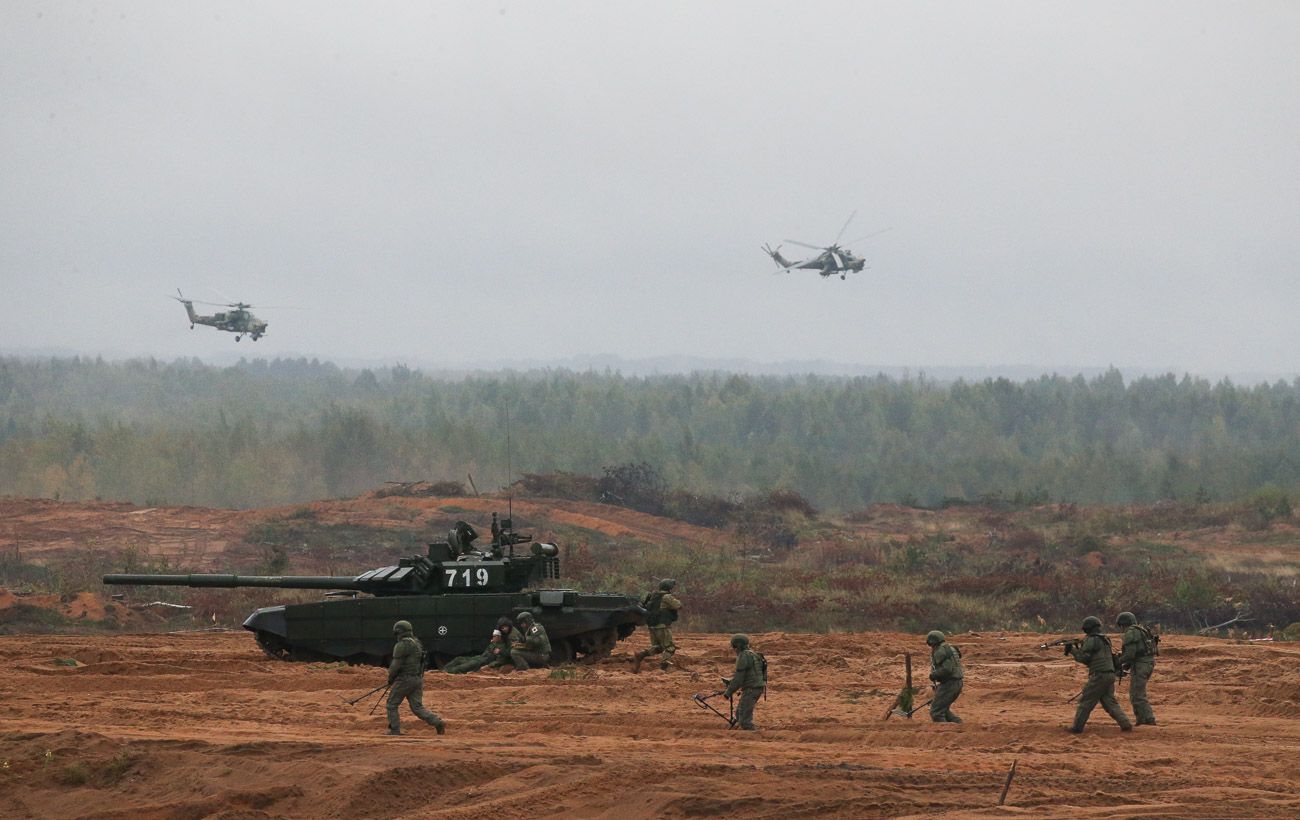
Russia is reconstructing the Kamenka garrison near the Finnish border to house an expanded motorized rifle division and a new training center.
 🧠AI Analysis
Munich to Convert Former BMW Offices into Housing for Ukrainian Refugees
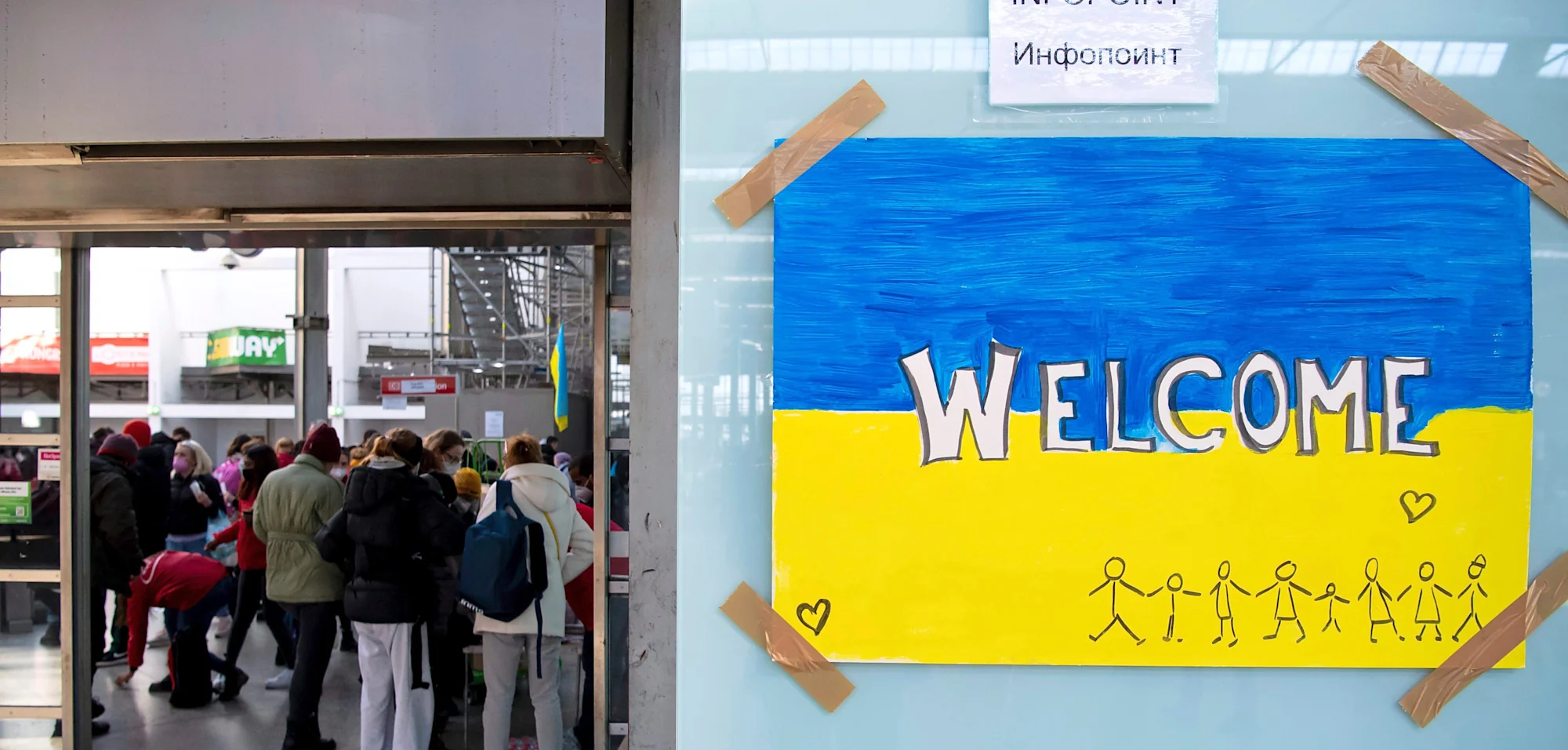
The authorities of Munich have leased part of a former BMW administrative complex to accommodate up to 600 refugees, primarily from Ukraine.
 🧠AI Analysis
Alcaraz Dominates ATP Finals: A New Era of Tennis Leadership and Rising Stars
Carlos Alcaraz finished the ATP Finals undefeated, cementing his position at the top of men's tennis while younger talents like Ben Shelton show promise.
 🧠AI Analysis
DTEK sets yearly record by restoring power to 3.5 million families after attacks
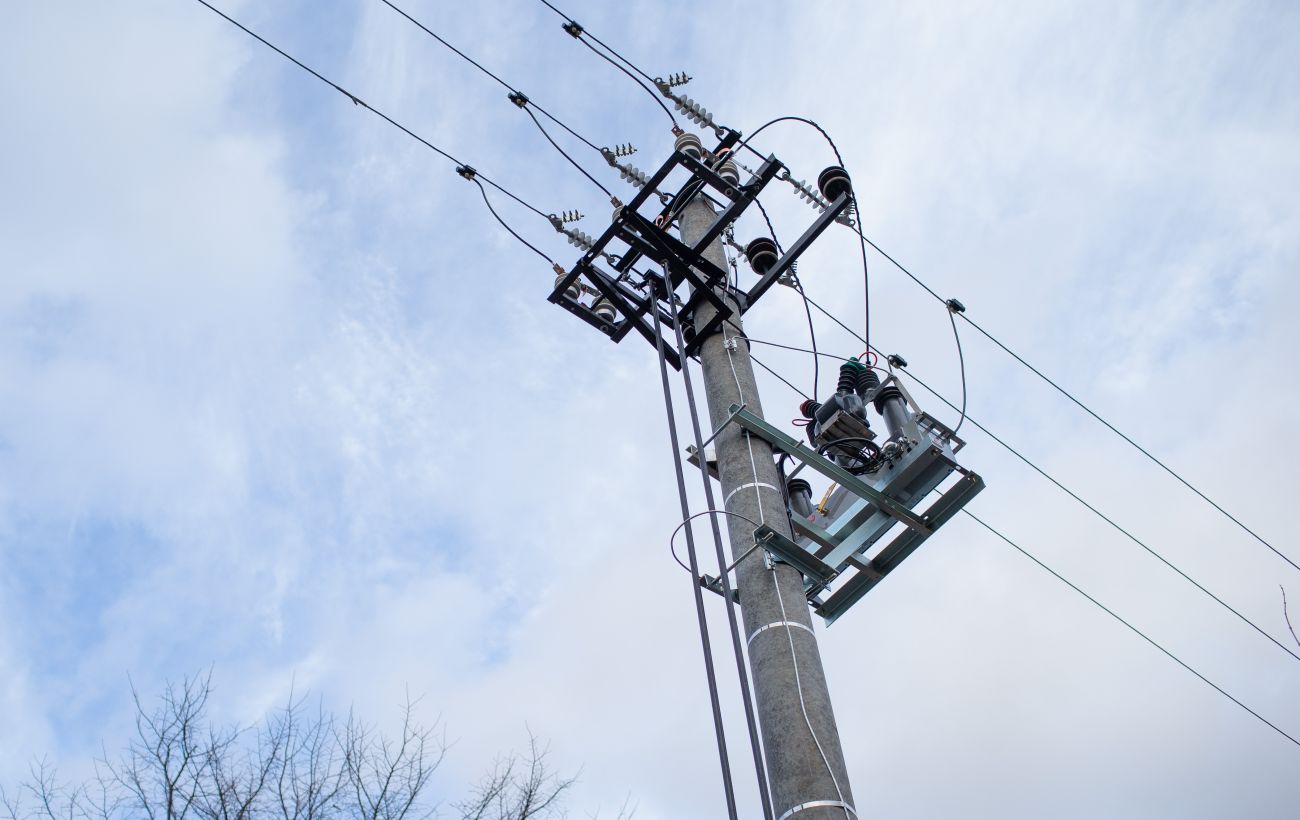
Between November 16 and 22, DTEK energy workers restored electricity for over 3.5 million households across four regions and Kyiv, marking a weekly record since the begin…